Chris Riccomini PostgreSQL Extensions or Protocols: Architecture Roulette - I feel like a lot of early open source is now exploring the protocols vs platforms space. Including “de facto” protocol status.
Apr 20248:43am
Short dated entries, links, and microblog-style notes.
Chris Riccomini PostgreSQL Extensions or Protocols: Architecture Roulette - I feel like a lot of early open source is now exploring the protocols vs platforms space. Including “de facto” protocol status.
Gordon Brander writes Decentralizability:
“Immutable data, universal IDs, user-controlled keys… and just using HTTP. I think this is probably minimum viable decentralizability.”
Pretty close match to my definition of Web3.
Kneeling Bus’ Brazilianization of the Internet is an important read. I need to think about how my Community Search Engine exacerbate “enclave-gated internet” spaces.
Ken Kantzer writes “GPT is the Heroku of AI”:
“a very, very expensive way to do ML features without needing an ML team. It’s actually not even that expensive compared to the value, but it is expensive compared to cheaper locally run LLMs and using a traditional ML model, once it’s been trained.”
Ivo Velitchkov @kvistgaard talks about what he’s missing from the reMarkable:
- Export of highlights from PDF and EPUB
- Links between notes and related to that:
- Persistent IDs of every object (note, notebook, folder, tag) so that they can be referred to from other places and opened up in the desktop or mobile app.
Strong agree!
“Computation is the medium of our lifetimes - it’s not just a technical medium but a cultural medium as well. We should explore the culture of computation” by Myron Krueger, as said by @zachlieberman
Matt Roberts writes “Who killed Canadian Venture?” digging into the history of Canadian pension funds and RRSP investment rules.
TLDR In the 90s, 80% had to be Canadian. In 2003, this was changed to 70%. And then, in 2005 — no Canadian investment minimum.
One of the things I did during Vancouver Hack Day was set up a Polis poll around DWebYVR / Vancouver tech topics. It’s a way to gather feedback while also mapping consensus or differing opinions.
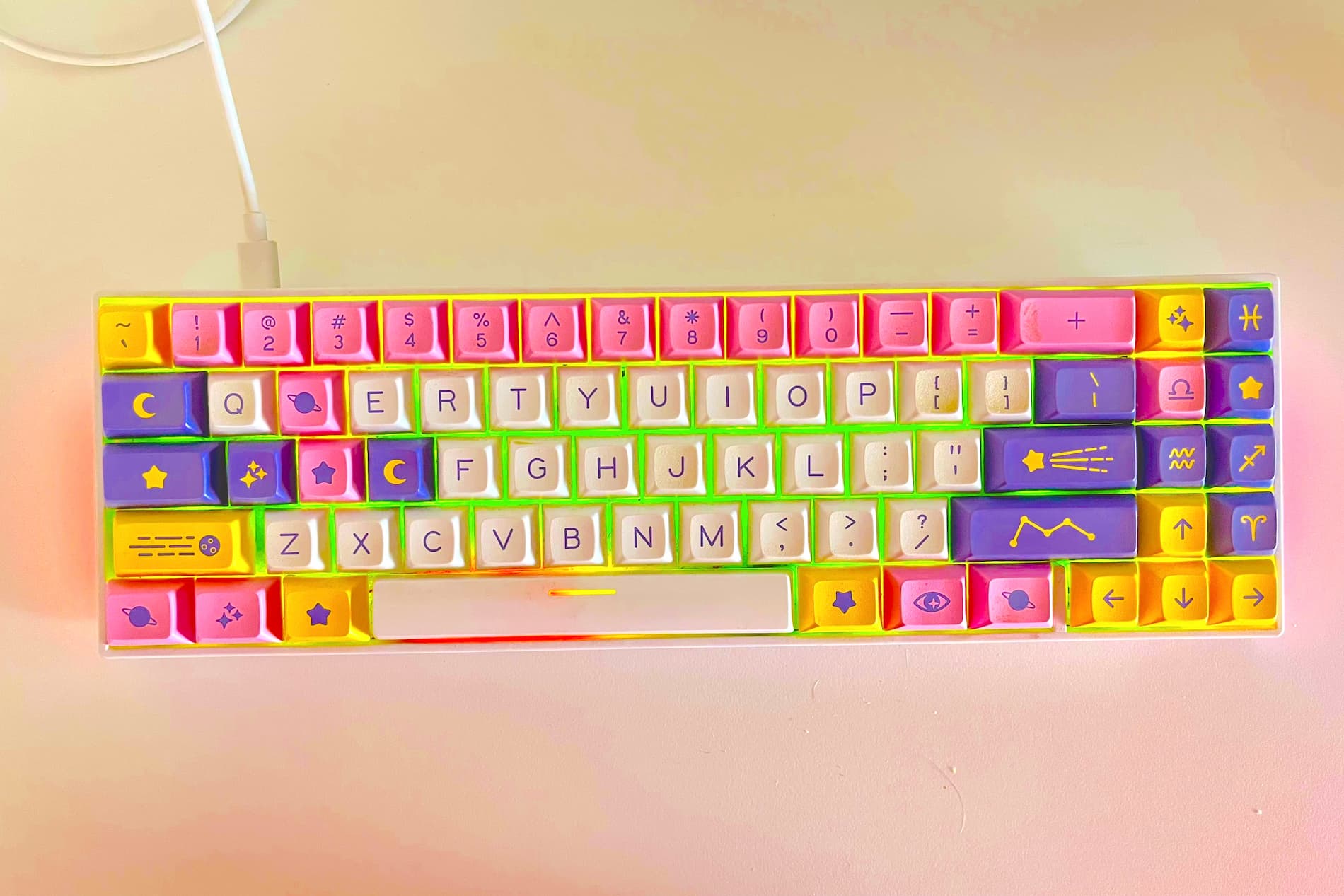
More setting up my Z-Space desk. Using my RK71 keyboard, configured using Karabiner Elements and downloaded bbeerr’s RK61 scripts to have an escape key as well as backtick and tilde keys.
I bought a few things for my desk at Z-Space, including this j5create docking stand and mini dock.

Ubicloud is “an open, free, and portable cloud. Think of it as an open alternative to cloud providers”.
Open source AGPL that you install on bare metal servers to run your own cloud.
Chad Whitacre: Open source is not a grocery store (pay first), not a soup kitchen (not charity). Open source is a restaurant (eat your meal with others, then split the check).
Glyph writes Software Needs To Be More Expensive, mostly suggesting that low barrier “let engineers expense $50 per month to any open source project” could help.
The underlying intent is what I’d like to promote: pay to support software you care about. From end users to developers, this can be promoted.
It can fit alongside current real world movements to “buy local”.
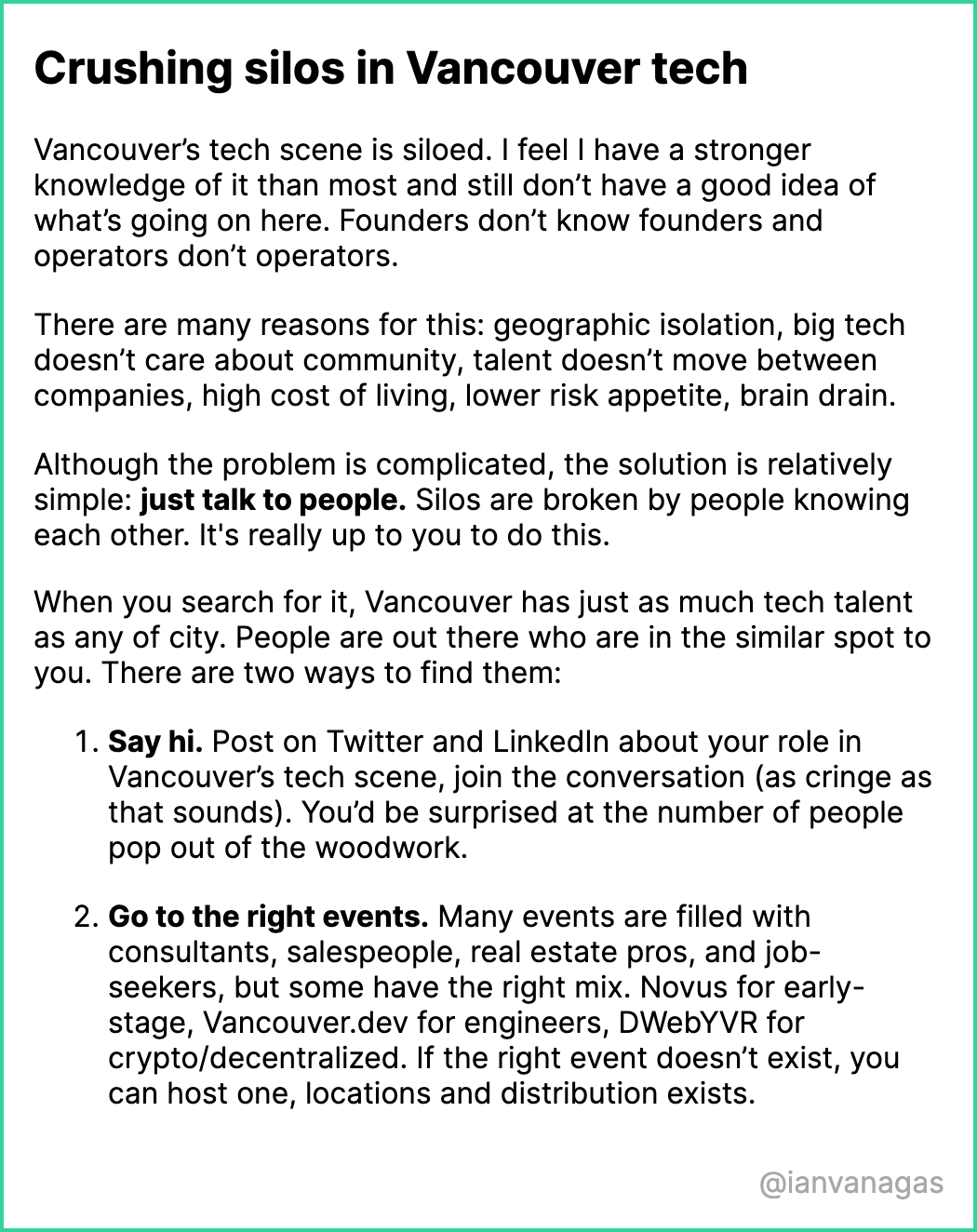
Ian Vanagas writes Smart Young BC. He’s starting to write some screenshot essays with great Vancouver Tech content, like this one on crushing silos.
OK, went ahead and figured out a date with Orion: Next Tools for Thought Rocks will be Wed, April 17th at 8am PST.
Jamming with Orion Reed. Going to host his Causal Islands LA talk at an upcoming Tools for Thought Rocks event so we get a recording.
And I think it’s time to work on TiddlyWiki style drag and drop. I’ll post some background thoughts at Note Clips.
Demo video of live setup of Co-op Cloud stack with single sign on with Keycloak and running Matrix, Hometown (Mastodon fork), and Nextcloud.
I’m helping to organize a Vancouver Hack Day this coming Sunday, April 7th, 2024.
Get a quick overview of some interesting tech, including atproto, Everywhere Computer, Local First, and Enhance. Then spend the day learning and coding, or bring a project of your own. Demos end of day.
Substack introduced a “Follow” feature that makes it more like a social network destination rather than a newsletter / blog platform.
And they don’t share follower email addresses with authors.
Yet-another-proprietary-social network. Yes, I told you so.
Write up on The Wrap
Chad Whitacre on the Redis re-licensing:
“For a relicensing to be a rug pull, there has to have been a true developer community around the project—not just users, developers.”
Also has a graph showing Sentry (where he works) being almost completely company maintained.